
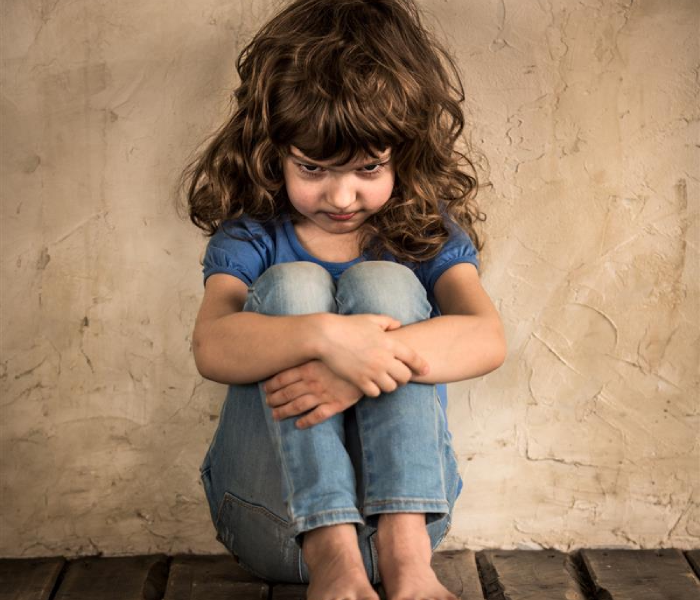
Anger is a universal emotion experienced by all humans. However, managing anger issues in children can be challenging. This is because children often lack the skills to control their anger, which can sometimes lead to violent behaviour. Learning how to manage anger from a young age is crucial for children. It helps them recognise their symptoms early and prevents potential outbursts of violence. In this blog, we will explore the causes of anger in children, the signs of emotional instability, and effective ways to manage anger.
Anger issues in children are concerns that parents should take seriously. They need to watch how their child behaves when angry, as this could reveal some underlying emotional or behavioural problems. It has been observed that children with inner anger and frustration often face significant difficulties in their peer relationships and academic performance.
Now, let's discuss what causes anger issues. Knowing the particular reasons a child is upset is the initial and most important step in offering help. Some common triggers to anger are the following:
It is also important to look for signs which may indicate that your child is emotionally disturbed. These signs include:
If you find that you are consistently seeing some of these signs in your child, then devising some anger management strategies, or even talking through the problems with a child therapist, is perhaps a good place to begin. You can also explore practical ways to support your child by reading this helpful guide on how to improve child behaviour.
To help your child manage their anger effectively, as parents, you should do the following:
If your child is struggling to manage their anger, seeking professional help may be the best option. Conditions such as Oppositional Defiant Disorder (ODD), ADHD, or anxiety often require additional attention and care.
Addressing these issues early can have a significant positive impact on your child's emotional development and behaviour.
In summary, it is essential to remember that anger is simply an emotion and not inherently bad. However, if not managed carefully, it can lead to larger emotional and behavioural issues. As a parent or caregiver, you hold the key to helping your child regulate their emotions. With professional guidance and a great deal of patience, children can learn to express their feelings more confidently and peacefully for a better future.